The Importance of Sleep for Holistic Well-being

Sleep is not merely a period of rest; it's a fundamental pillar of health, comparable to nutrition and exercise. During sleep, our bodies and minds undergo crucial restorative processes. Lack of sleep can significantly impact our physical, mental, and emotional well-being. This page provides insights into the importance of sleep and offers practical tips to improve your sleep quality.
Understanding Sleep Hygiene
Sleep hygiene refers to the habits and practices that are conducive to sleeping well on a regular basis. Establishing a consistent sleep routine, creating a relaxing bedtime environment, and avoiding stimulants before bed are all key elements of good sleep hygiene.
Key Elements of Sleep Hygiene:
- Consistent Sleep Schedule: Go to bed and wake up at the same time every day, even on weekends, to regulate your body's natural sleep-wake cycle (circadian rhythm).
- Relaxing Bedtime Routine: Engage in calming activities before bed, such as reading a book, taking a warm bath, or listening to soothing music.
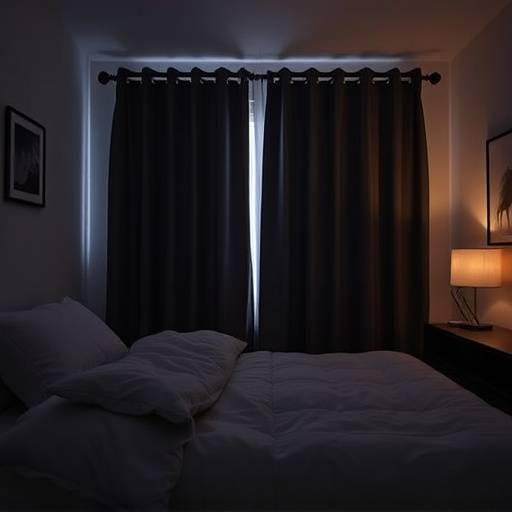
- Optimize Your Sleep Environment: Ensure your bedroom is dark, quiet, and cool. Use blackout curtains, earplugs, or a white noise machine to minimize disturbances.
- Comfortable Bedding: Invest in a comfortable mattress, pillows, and bedding that support restful sleep.
- Avoid Stimulants: Limit caffeine and alcohol intake, especially in the evening, as they can interfere with sleep.
- Regular Exercise: Regular physical activity can improve sleep quality, but avoid intense workouts close to bedtime. Aim to finish exercising at least three hours before you go to bed.
- Limit Screen Time: The blue light emitted from electronic devices can suppress melatonin production, making it harder to fall asleep. Avoid using smartphones, tablets, and computers for at least an hour before bed.
- Avoid Large Meals Before Bed: Eating a heavy meal close to bedtime can disrupt sleep. If you're hungry, opt for a light snack like a small bowl of oatmeal or a banana.
Common Sleep Disorders
Sleep disorders are conditions that disrupt normal sleep patterns and can have significant impacts on overall health and well-being. Recognizing the symptoms of these disorders is the first step towards seeking appropriate treatment.
Types of Sleep Disorders:
- Insomnia: Difficulty falling asleep, staying asleep, or experiencing non-restorative sleep.
- Sleep Apnea: A condition characterized by pauses in breathing during sleep, leading to frequent awakenings and daytime sleepiness.
- Restless Legs Syndrome (RLS): An irresistible urge to move the legs, often accompanied by uncomfortable sensations, which worsens during periods of inactivity.
- Narcolepsy: A neurological disorder that affects the brain's ability to regulate sleep-wake cycles, leading to excessive daytime sleepiness and sudden sleep attacks.
- Circadian Rhythm Disorders: Disturbances in the body's internal clock, leading to difficulties falling asleep and waking up at desired times (e.g., jet lag, shift work disorder).
If you suspect you may have a sleep disorder, it's important to consult with a healthcare professional for diagnosis and treatment. Dr. Anya Sharma, a sleep specialist at Vitality Hub Wellness Center, emphasizes, "Early intervention is crucial for managing sleep disorders and preventing long-term health complications. We offer comprehensive sleep assessments and personalized treatment plans tailored to individual needs." You can reach Dr. Sharma's office at (555) 222-3344 or schedule an appointment online at www.vitalityhub.com.

Tips for Better Sleep
Improving sleep quality can have a profound impact on your overall health and well-being. Here are some evidence-based tips to help you achieve a more restful night's sleep:
- Create a Relaxing Bedtime Routine: Prepare your mind and body for sleep by establishing a consistent and calming routine. This might include taking a warm bath, reading a book, practicing gentle stretching, or listening to relaxing music. Avoid stimulating activities like watching TV or using electronic devices before bed.
- Optimize Your Sleep Environment: Make sure your bedroom is dark, quiet, and cool. Use blackout curtains, earplugs, or a white noise machine to minimize distractions. Maintain a comfortable temperature, ideally between 60-67 degrees Fahrenheit (15-19 degrees Celsius).
- Practice Relaxation Techniques: Techniques like deep breathing exercises, progressive muscle relaxation, and meditation can help calm your mind and body, making it easier to fall asleep. Consider using guided meditation apps or attending a relaxation class.
- Manage Stress: Chronic stress can significantly interfere with sleep. Find healthy ways to manage stress, such as exercise, spending time in nature, practicing mindfulness, or talking to a therapist.
- Limit Caffeine and Alcohol Intake: Caffeine and alcohol can disrupt sleep patterns and make it harder to fall asleep or stay asleep. Avoid consuming these substances close to bedtime.
- Get Regular Sunlight Exposure: Sunlight helps regulate your body's natural sleep-wake cycle. Try to get at least 30 minutes of sunlight exposure each day, especially in the morning.
- Consider Cognitive Behavioral Therapy for Insomnia (CBT-I): CBT-I is a structured program that helps individuals identify and change thoughts and behaviors that contribute to insomnia. It is a highly effective treatment for chronic insomnia. Contact Vitality Hub Behavioral Health at (555) 888-9900 to learn more about our CBT-I program led by therapist Emily Carter, LPC.
- Naps Strategically: Short naps (20-30 minutes) can be beneficial for alertness and performance, but long or irregular naps can disrupt nighttime sleep. If you nap, avoid napping late in the afternoon.

The Vitality Hub Sleep Program
At Vitality Hub, we understand that quality sleep is essential for a vibrant and healthy life. Our Sleep Program, developed by leading sleep experts like Professor Kenji Tanaka, PhD, offers personalized strategies to help you achieve restorative sleep. The program includes a comprehensive sleep assessment, customized sleep hygiene plan, relaxation techniques training, and ongoing support from our team of sleep specialists.
To learn more about the Vitality Hub Sleep Program and how it can help you improve your sleep quality, please visit our website or contact us at (555) 123-4567 or via email at [email protected]. Our office is located at 123 Serenity Lane, Suite 200, Tranquility, CA 91234.
Remember, prioritizing sleep is an investment in your overall health and well-being. By implementing these strategies, you can unlock the transformative power of restful sleep and live a more vibrant and fulfilling life.