Nourish Your Body: A Guide to Healthy Eating
Welcome to the nutrition section of Vitality Hub, your trusted source for information on healthy eating habits. Proper nutrition is the cornerstone of a healthy and vibrant life. It fuels our bodies, supports our immune system, and enhances our overall well-being. In this guide, we will explore the essential components of a balanced diet, including macronutrients, micronutrients, meal planning strategies, and delicious, healthy recipes.
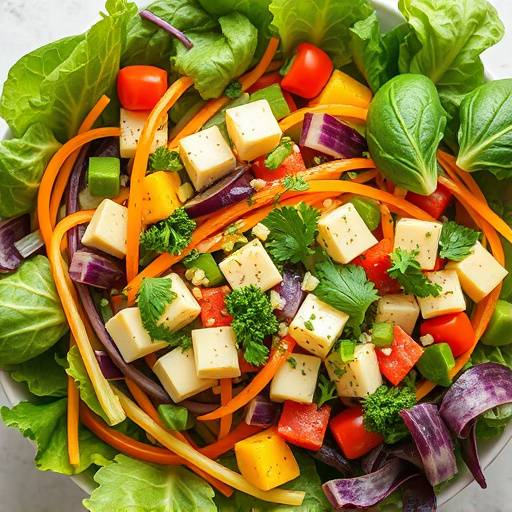
Understanding Macronutrients
Macronutrients are the building blocks of our diet and provide us with energy. They consist of carbohydrates, proteins, and fats. Each plays a vital role in maintaining our health.
Carbohydrates
Carbohydrates are the body's primary source of energy. Choose complex carbohydrates like whole grains, fruits, and vegetables over simple sugars found in processed foods. Complex carbohydrates provide sustained energy and are rich in fiber, which promotes digestive health.
- Good Sources: Brown rice, quinoa, oats, sweet potatoes, bananas, apples.
- Benefits: Provides energy, supports brain function, aids in digestion.
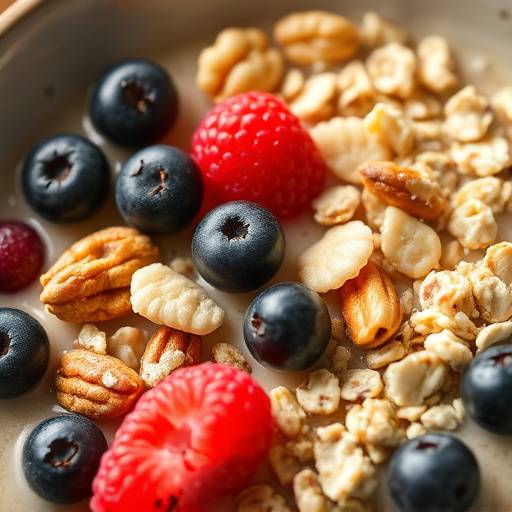
Proteins
Proteins are essential for building and repairing tissues, as well as producing enzymes and hormones. Include a variety of protein sources in your diet, such as lean meats, poultry, fish, beans, lentils, and tofu.
- Good Sources: Chicken breast, salmon, lentils, chickpeas, tofu, eggs.
- Benefits: Builds and repairs tissues, supports immune function, promotes satiety.

Fats
Fats are crucial for hormone production, nutrient absorption, and providing energy. Opt for healthy fats like monounsaturated and polyunsaturated fats found in avocados, nuts, seeds, and olive oil. Limit saturated and trans fats, which can increase the risk of heart disease.
- Good Sources: Avocados, almonds, chia seeds, olive oil, fatty fish (salmon, mackerel).
- Benefits: Supports hormone production, aids in nutrient absorption, provides energy.

Macronutrient Table:
| Macronutrient | Function | Food Sources |
|---|---|---|
| Carbohydrates | Primary energy source | Whole grains, fruits, vegetables |
| Proteins | Tissue building and repair | Lean meats, legumes, dairy |
| Fats | Hormone production, nutrient absorption | Avocados, nuts, olive oil |
The Importance of Micronutrients
Micronutrients, including vitamins and minerals, are essential for various bodily functions. Although needed in smaller amounts than macronutrients, they play a critical role in maintaining optimal health.
Vitamins
Vitamins are organic compounds that support numerous processes in the body, from immune function to energy production. A balanced diet rich in fruits and vegetables can provide the necessary vitamins.
- Vitamin A: Supports vision, immune function, and skin health. Found in carrots, sweet potatoes, and spinach.
- Vitamin C: Boosts the immune system and acts as an antioxidant. Found in citrus fruits, berries, and bell peppers.
- Vitamin D: Aids in calcium absorption and bone health. Obtained from sunlight, fortified foods, and fatty fish.
- Vitamin E: Protects cells from damage and supports immune function. Found in nuts, seeds, and vegetable oils.
- B Vitamins: Play a role in energy production and nerve function. Found in whole grains, meat, and leafy greens.
Minerals
Minerals are inorganic substances that are essential for various physiological processes, including bone health, nerve function, and fluid balance.
- Calcium: Essential for strong bones and teeth. Found in dairy products, leafy greens, and fortified foods.
- Iron: Transports oxygen in the blood. Found in red meat, beans, and spinach.
- Potassium: Regulates blood pressure and nerve function. Found in bananas, potatoes, and leafy greens.
- Magnesium: Supports muscle and nerve function. Found in nuts, seeds, and leafy greens.
- Zinc: Supports immune function and wound healing. Found in meat, poultry, and seafood.
Healthy Recipes for a Balanced Diet
Incorporating healthy recipes into your diet can be both enjoyable and beneficial. Here are a few ideas to get you started:
Quinoa Salad with Roasted Vegetables
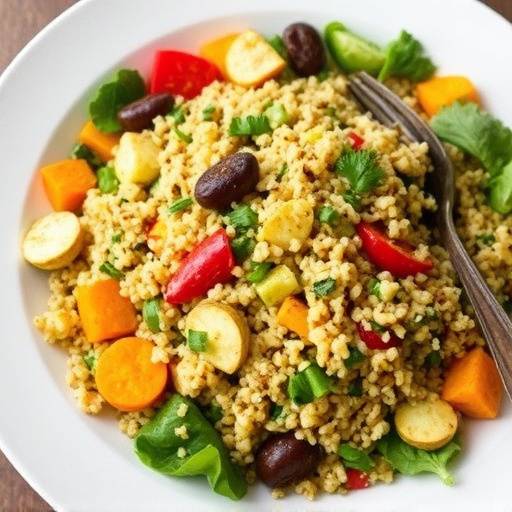
This vibrant salad is packed with protein, fiber, and essential nutrients. Roast your favorite vegetables, such as bell peppers, zucchini, and broccoli, and toss them with cooked quinoa, herbs, and a light vinaigrette.
Lentil Soup
Lentil soup is a hearty and nutritious meal that is rich in protein and fiber. Sauté vegetables like carrots, celery, and onions, then add lentils, vegetable broth, and your favorite spices. Simmer until the lentils are tender.

Baked Chicken with Sweet Potato Fries
This healthy take on a classic comfort meal is both satisfying and nutritious. Season chicken breasts with herbs and spices and bake until cooked through. Cut sweet potatoes into fries, toss with olive oil and spices, and bake until crispy.

Berry Smoothie
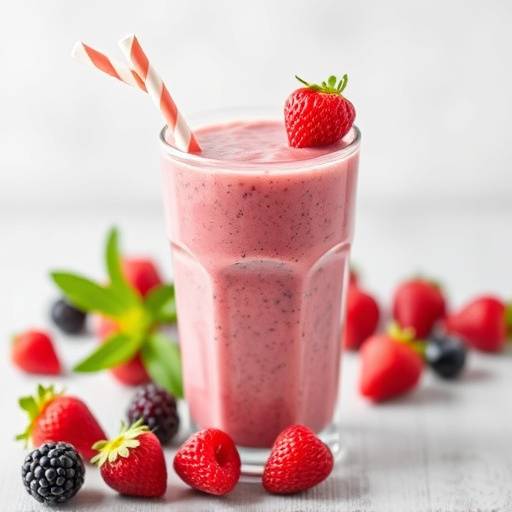
A quick and easy way to pack in nutrients! Combine mixed berries, banana, spinach, almond milk, and protein powder for a filling and healthy smoothie.
Meal Planning Strategies
Effective meal planning can help you stay on track with your healthy eating goals. Here are some tips to help you plan your meals:
- Plan ahead: Take some time each week to plan your meals for the upcoming days.
- Create a shopping list: Based on your meal plan, create a shopping list to ensure you have all the necessary ingredients.
- Prep ingredients: Wash and chop vegetables, cook grains, and portion out snacks in advance to save time during the week.
- Cook in bulk: Prepare larger batches of meals to have leftovers for lunch or dinner.
- Don't be afraid to experiment: Try new recipes and ingredients to keep your meals interesting and enjoyable.
By incorporating these meal planning strategies into your routine, you can simplify your life and make healthy eating a sustainable habit.
"Let food be thy medicine and medicine be thy food." - Hippocrates